Your starting point
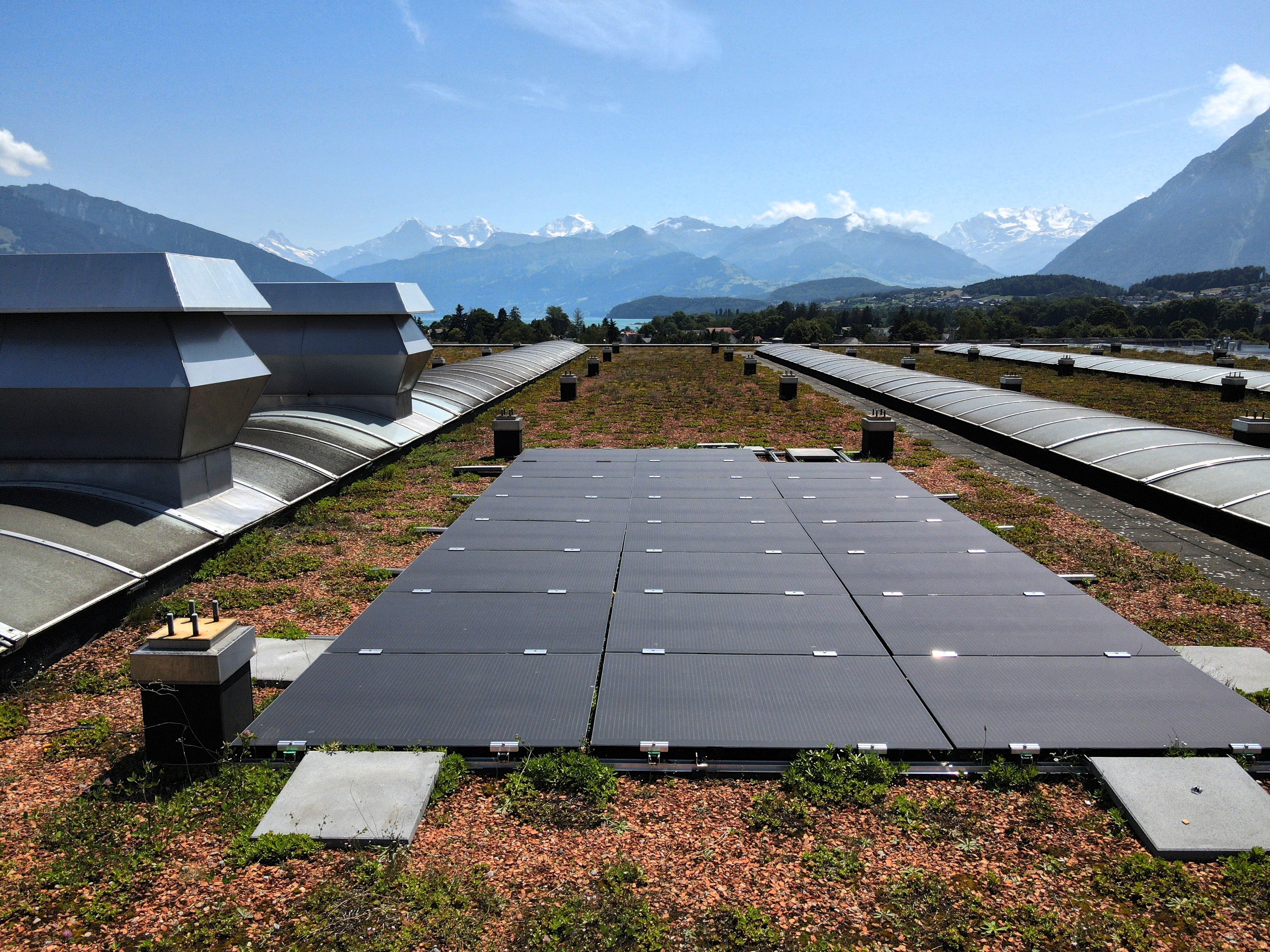
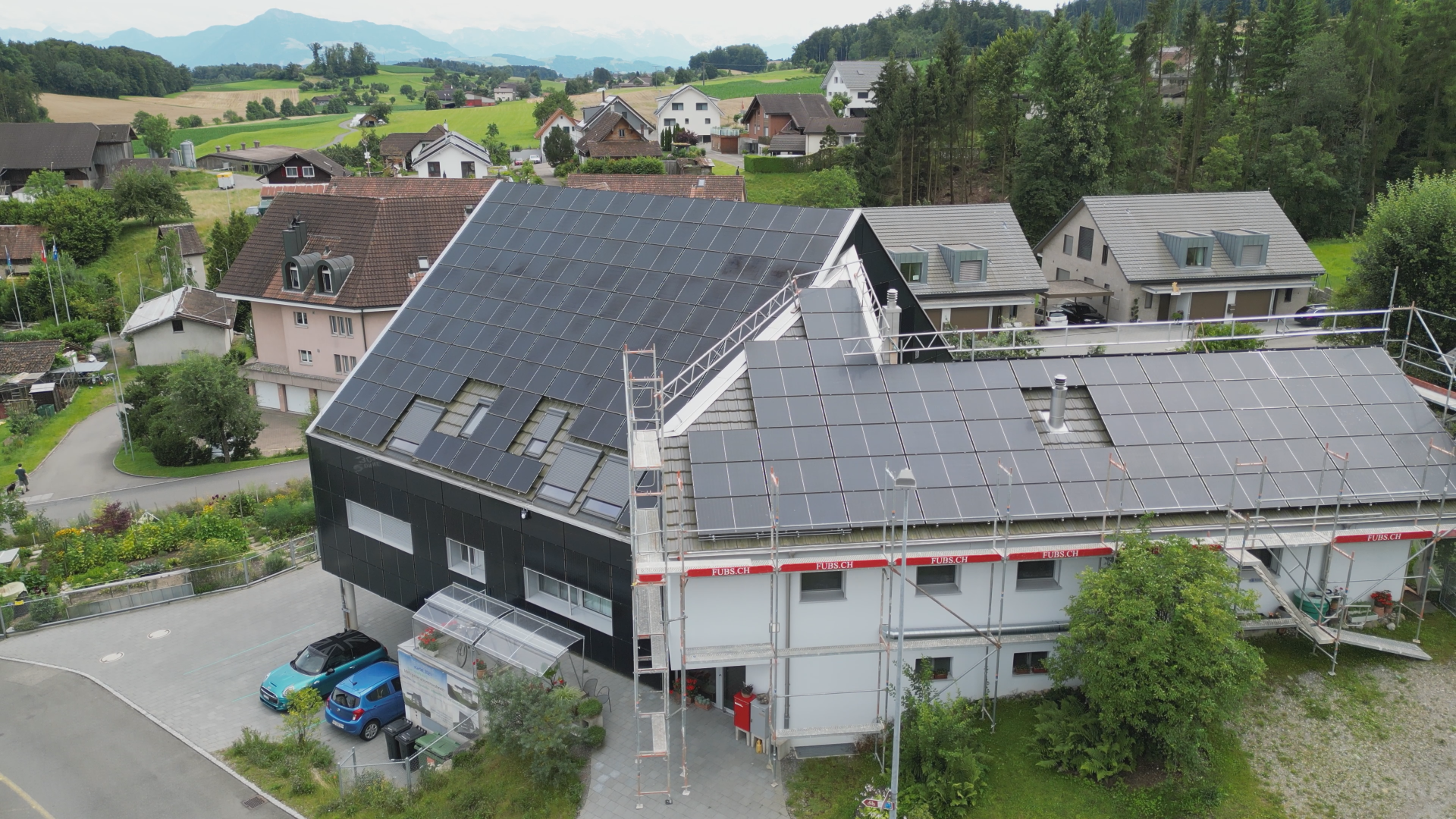
The glare effect caused by solar modules is a common obstacle in the implementation of PV systems. Especially on house roofs, glare issues are usually only discovered after the solar system has already been installed.

Our solution
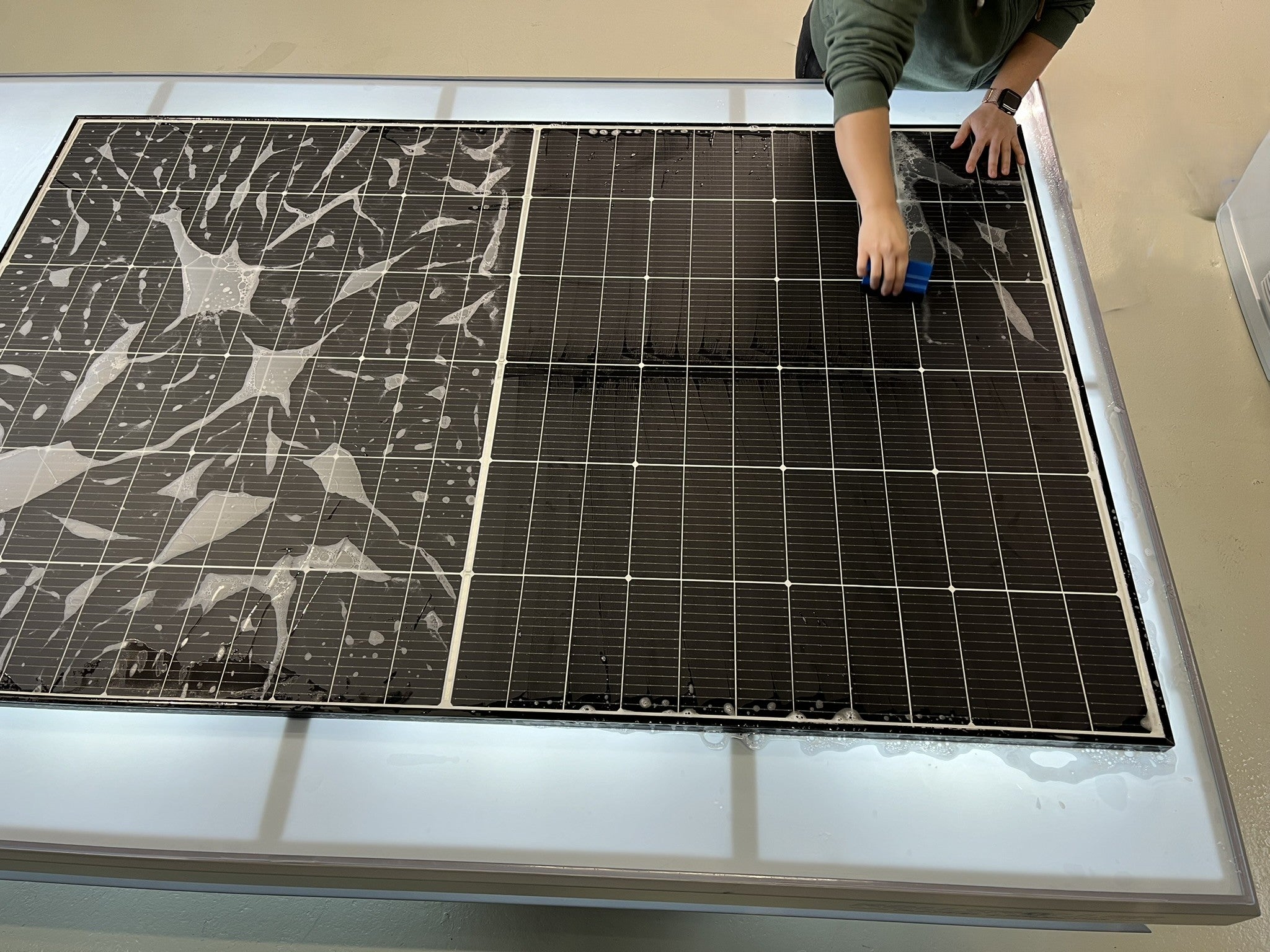
The Anti-glare film from Phytonics is an effective solution that can be applied to both new solar modules and existing systems. By applying the film, solar modules become low-glare and therefore no longer cause disturbances.

Are you planning a solar park?
Does your glare assessment indicate significant disturbances for residents or road users?
Our anti-glare film offers an effective solution to reduce disruptive reflections, enabling approval even at airports, roads, and densely populated neighborhoods.
You don’t need to worry about applying the films – our certified partners take care of that.
Customer Projects
View all-

Glare-Free PV for the New P30 Parking Garage at...
An impressive 6,000 m² rooftop solar array has been installed on a parking garage at Brussels Airport, delivering around 1,150 MWh of green electricity annually. Since the building is located in...
Glare-Free PV for the New P30 Parking Garage at...
An impressive 6,000 m² rooftop solar array has been installed on a parking garage at Brussels Airport, delivering around 1,150 MWh of green electricity annually. Since the building is located in...
-

Glare-Free Solar System at Munich Airport
At Munich Airport, the Phytonics anti-glare film was utilized for a 3,700 kWp PV array to safely prevent glare reflections for both air and road traffic. Nearly 600 modules were...
Glare-Free Solar System at Munich Airport
At Munich Airport, the Phytonics anti-glare film was utilized for a 3,700 kWp PV array to safely prevent glare reflections for both air and road traffic. Nearly 600 modules were...
-

Brussels Charleroi Airport: Anti-Glare PV Film ...
WDP realized an 8.5 MWp solar farm at Brussels South Charleroi Airport. More than 5,000 of the 12,000 PV modules were equipped with the Phytonics anti-glare film to completely eliminate...
Brussels Charleroi Airport: Anti-Glare PV Film ...
WDP realized an 8.5 MWp solar farm at Brussels South Charleroi Airport. More than 5,000 of the 12,000 PV modules were equipped with the Phytonics anti-glare film to completely eliminate...


All-Inclusive Care Package
Is your solar system causing glare and you’re looking for a solution?
We take care of applying films to your solar panels through our partner network. Contact us to get started!